Hi! Call me Mik's.
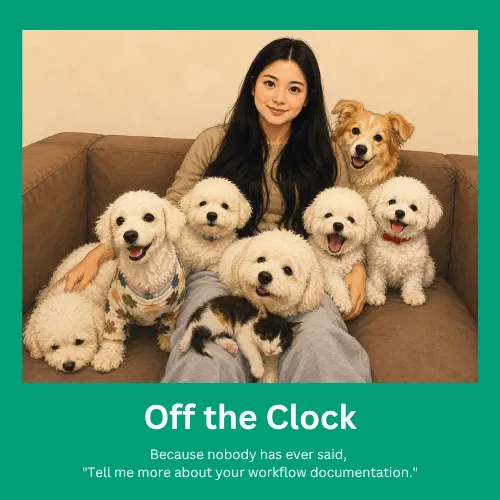
According to the Myers-Briggs Personality Test, I'm an INTP-T, also known as "The Logician." I'm naturally curious, analytical, and passionate about solving problems and finding better ways of doing things.
I've been an Email Marketer for over 11 years and have worked across different marketing platforms and technologies. As we all know, the digital marketing ecosystem is vast, so my experience extends beyond email marketing. Over the years, I've also been involved in web editing, website management, and content creation, helping businesses achieve their goals through various digital channels.
My INTP personality has been a strong advantage in my career because I enjoy understanding how things work, analyzing data, optimizing processes, and turning insights into results. While I sometimes catch myself overanalyzing or perfecting ideas, I see it as part of my continuous drive to learn and improve.
Outside of work, I'm currently pursuing studies in Computer Science and learning video editing, visual effects, and social media management. Looking ahead, I'd also love to expand my expertise in Ads and Meta platforms.
I'm excited to be part of a team that can open doors for new learning opportunities, while allowing me to contribute the knowledge, experience, and passion I've built throughout my career.
At the end of the day, I believe growth is a two-way street: I bring experience, curiosity, and a continuous improvement mindset, and I'm always eager to learn, collaborate, and create value with the people around me.
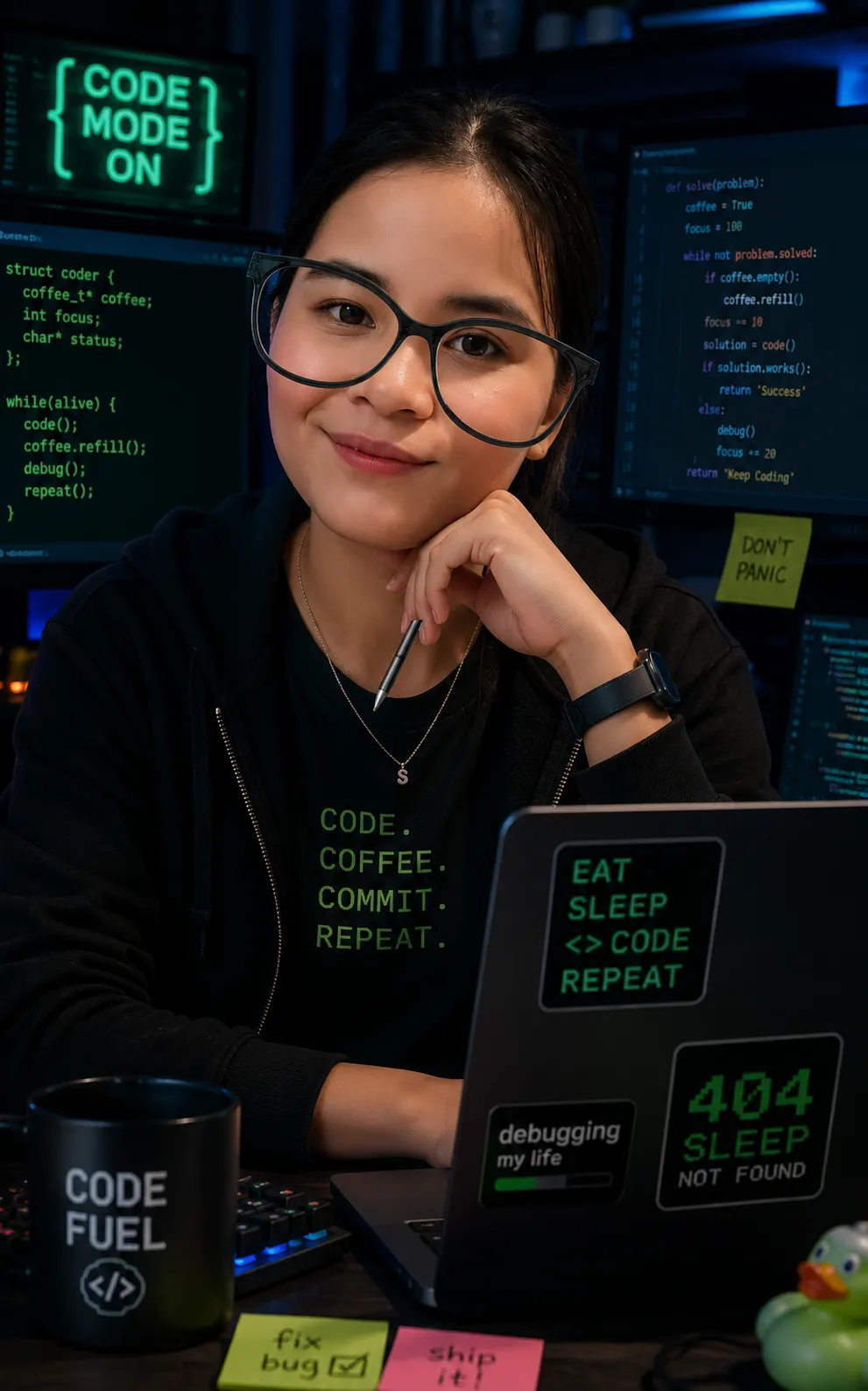
Hi! Call me Mik's.
According to the Myers-Briggs Personality Test, I'm an INTP-T, also known as "The Logician." I'm naturally curious, analytical, and passionate about solving problems and finding better ways of doing things.
I've been an Email Marketer for over 11 years and have worked across different marketing platforms and technologies. As we all know, the digital marketing ecosystem is vast, so my experience extends beyond email marketing. Over the years, I've also been involved in web editing, website management, and content creation, helping businesses achieve their goals through various digital channels.
My INTP personality has been a strong advantage in my career because I enjoy understanding how things work, analyzing data, optimizing processes, and turning insights into results. While I sometimes catch myself overanalyzing or perfecting ideas, I see it as part of my continuous drive to learn and improve.
Curious if we'd make a great team?
Outside of work, I'm currently pursuing studies in Computer Science and learning video editing, visual effects, and social media management. Looking ahead, I'd also love to expand my expertise in Ads and Meta platforms.
I'm excited to be part of a team that can open doors for new learning opportunities, while allowing me to contribute the knowledge, experience, and passion I've built throughout my career.
At the end of the day, I believe growth is a two-way street: I bring experience, curiosity, and a continuous improvement mindset, and I'm always eager to learn, collaborate, and create value with the people around me.
Work & Credentials
Explore My Work, Thought Process, and Professional Expertise
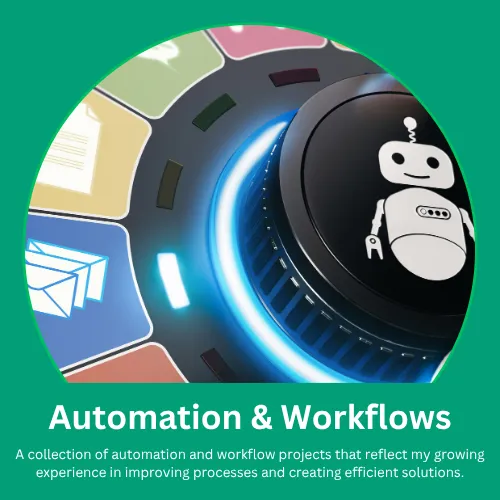
From case studies and creative projects to certifications and automation solutions, this portfolio showcases how I approach problem-solving, process improvement, customer experience, and digital transformation.
Work & Credentials
Explore My Work, Thought Process, and Professional Expertise
From case studies and creative projects to certifications and automation solutions, this portfolio showcases how I approach problem-solving, process improvement, customer experience, and digital transformation.
Frequently Asked Questions
Let's skip a few interview questions. Here are answers to some of the topics employers, clients, and collaborators often ask about when getting to know me professionally.
What is your experience with GoHighLevel (GHL)?
I don't like labeling myself as an expert, especially when it comes to platforms like GoHighLevel (GHL). One thing I've learned from working in the digital industry is that the moment you think you've mastered something, technology evolves and humbles you pretty quickly. That's how fast the industry moves.
I'd rather describe myself as an autodidact. While I've built strong skills over the years, I believe my resourcefulness and willingness to continuously learn play an even bigger role in helping me achieve the goals I set.
Professionally, I've worked with both GHL Agency accounts and sub-accounts, helping businesses set up and optimize their systems from the ground up. I first used GHL while working as a Virtual Assistant for marketing agency clients, and I now use it personally to host this website.
Yes, this website is actually built and hosted on GHL.
What I love most about GHL is its ability to make complex processes feel simple. With its integrations, connectors, and extensions, it becomes much easier to implement effective omnichannel strategies across different platforms and touchpoints.
Beyond hands-on experience, I also completed a Udemy certification to deepen my understanding of the platform. Learning the technical foundations behind GHL has helped me build a more adaptable skill set, allowing me to tailor solutions to the unique needs of each business.
What's your take on AI in today's workplace?
Honestly, I'm pro-AI.
I believe in working smarter, not harder. If AI can help achieve the same outcome faster and more efficiently, why not take advantage of it? Time is one of our most valuable resources. It's the one thing we can never earn back, no matter how much money we have.
For me, AI isn't about replacing people. It's about removing repetitive tasks so we can focus on what humans do best: solving problems, making decisions, building relationships, and thinking creatively.
Am I afraid of being replaced by AI? Not at all.
What concerns me more is refusing to adapt to it. Throughout history, technology has continued to change the way we work, and AI is no different. The risk isn't AI replacing humans. The real risk is being outpaced by people who understand how to use AI effectively.
I believe the future belongs to those who can combine human intelligence with AI capabilities. Understanding both the strengths and limitations of AI allows us to use it as a tool, not a crutch. When used thoughtfully, it can accelerate innovation, improve productivity, and create better outcomes for everyone.
My philosophy is simple: Let AI handle the repetitive work, so humans can focus on the meaningful work.
What is your process when working on a new project?
My process is straightforward: understand first, execute second.
I start by gathering a clear understanding of the project, including the objectives, timeline, scope, requirements, and any limitations. Having a solid foundation helps ensure that expectations are aligned from the very beginning.
Once the requirements are clear, I create a mockup or initial concept and present it to the relevant stakeholders for review. This allows us to validate the direction before moving into development or implementation.
After approval, I proceed with the actual setup and configuration. If testing is required, I conduct internal testing and share test versions for validation. Otherwise, I perform thorough quality assurance checks to ensure everything functions as intended.
Once all requirements have been met and everything is working as expected, I deploy the project, provided there are no pending business approvals or process dependencies.
The work doesn't stop after launch. I monitor performance, analyze results, and share insights with stakeholders. Based on the data, I recommend optimizations, improvements, and potential opportunities for future initiatives or campaigns.
What excites you most about automation?
I love seeing ideas come to life.
When it comes to automation, I've learned that the platform often determines what's possible and what's not. Over the years, I've worked on automating digital business processes and customer journeys, and one of the most common challenges I see is businesses trying to achieve ambitious goals while being limited by the tools they've chosen.
There's nothing more frustrating than seeing a business with incredible potential struggle because its digital ecosystem isn't designed to support growth, scalability, or automation.
That's why I don't just focus on designing workflows. I also take the time to evaluate whether the current platforms, applications, or websites are the right fit for the business. If there are better alternatives available, I'm not afraid to recommend them.
After all, even the best automation strategy is only as effective as the technology powering it.
My goal is to help businesses build solutions on a foundation that can support where they are today and where they want to be tomorrow. Because great automation isn't just about connecting tools. It's about creating systems that can grow with the business and deliver long-term value.
How do you balance technology and people?
Personally, I always put people first and adapt the technology around them.
Throughout my experience, I've learned that technology is neutral. For some, it can feel like a game-changer; for others, it can feel overwhelming. That's why whenever I design an automation, workflow, or digital solution, I always start with the user.
While I enjoy exploring new technologies and innovative solutions, I don't believe in using technology just because it's available. Even the most advanced tool is useless if people find it intimidating, confusing, or too complicated to use.
My approach is simple: understand the people, then design the technology. By focusing on the user experience first, I can create solutions that are not only efficient and scalable but also easy to adopt and valuable in everyday use.
For me, the best technology isn't the most advanced. It's the technology that people actually want to use.
What drives your continuous learning?
I'm an INTP, which means curiosity is practically my fuel. I love solving problems, exploring ideas, and figuring out how things work. If I find myself doing the same thing repeatedly, my first instinct is usually to ask, "Can this be automated?"